
Case study
The starting point
Tourly came from inside golf: years of playing and belonging to golf groups made the gaps visible. The software available was very specific. One tool only ran tournaments, another kept a personal score, another measured distance.
The problem
Tournaments were where the disorder was worst. Registration lived in Google Forms, communication in personal email, and collection of fees was ineffective. Everything was disconnected and nobody had control.
Seeing the losses this caused led to a simple idea: if every actor were connected, auditing and improving the whole would be far easier.
How we approached it
It started where the pain was: the scoreboard and tournament generation, which go hand in hand. From there the platform grew one actor at a time, always as modules of the same system rather than separate tools.
How it grew
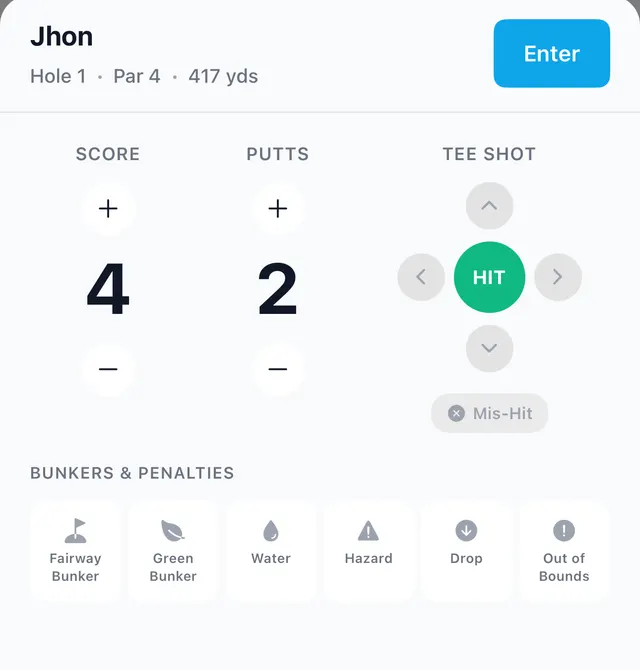
- FirstScoring and tournament generation.
- ThenGroups, then clubs, then federations.
- NextCourses and many internal modules.
- Inside each moduleInventory, collections and payments, until the whole process lives in one place.
- TodayA connected ecosystem that keeps growing with the ideas of each club and event.
What it covers
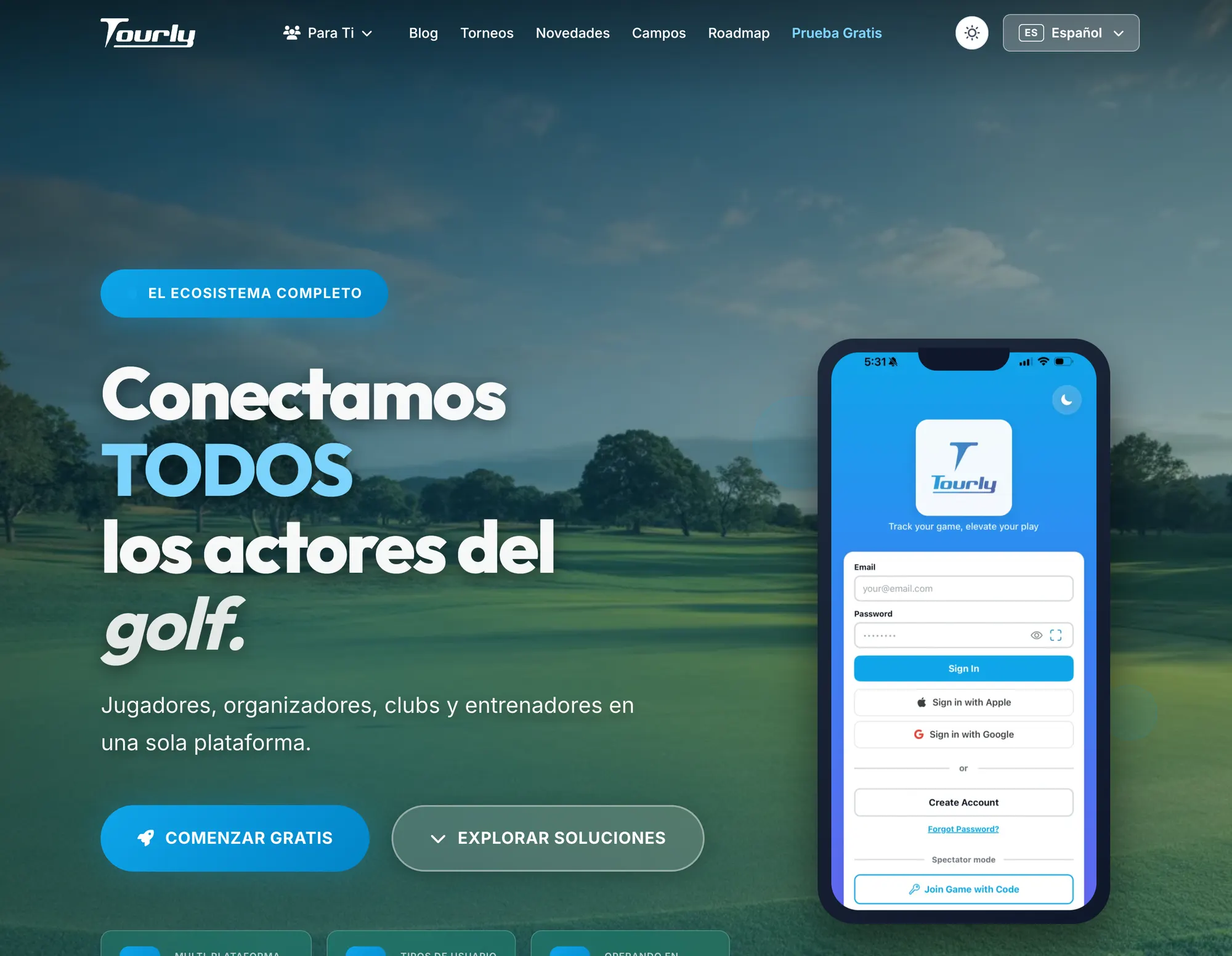
Every actor in golf works in the same platform, from the individual player to the federation.
What carries over to an ERP
Start from the real process
The design came from watching how events were actually run, including the improvised parts.
Connect the actors
When players, groups, clubs and organizers share one system, every payment and registration can be traced and audited.
Grow by modules
Each module was added when the process needed it, and every new one reuses the same data and the same users.
Replace many tools with one
Registration, communication and collection used to live in three places. Now they live in one.
Is your operation spread across too many tools?
Forms, spreadsheets, email and payments that do not talk to each other are a process waiting to be unified. We start by looking at how it really works today.
Start a conversation